
How is the monthly design services from Design pickle is different from other services?
Design Pickle is one of the original and most well-known providers in the Creative-as-a-Service (CaaS) or flat-rate, unlimited design subscription market, that will provide you with impeccable monthly design services.
While many competitors have adopted a similar model, Design Pickle differentiates itself through its maturity, operational structure, and specific service offerings.
Here are the key ways Design Pickle‘s monthly design service is different from others:
1. Pioneer and Market Leader:
- Original Concept: Design Pickle is widely credited with pioneering the flat-rate, “unlimited” design subscription model (or at least bringing it to the masses). This means they have years of experience, a massive library of work, and established processes that newer competitors may still be refining.
- Scale and Volume: They operate at a massive scale, having completed millions of designs for customers across various industries, giving them a high volume of data to refine their platform and designer matching.
2. Focus on Scalable Production:
- Process-Driven: Unlike a freelancer, Design Pickle emphasizes a strict, repeatable creative process managed through its proprietary platform.
- This ensures a consistent workflow for every request, which is key for predictable (24-48 hour turnarounds) for most standard tasks.
- Dedicated Creative Team: Depending on the plan, you are matched with a dedicated creative team (designer, and often a Production Coordinator or Art Director on higher tiers) who learn your brand. This structure is designed to maintain brand consistency at scale, which is the core problem they aim to solve.
3. Service Scope and Tiers
- Tiered Offerings: Design Pickle structures its plans around the complexity and type of creative work. Their higher tier plans often include more advanced services like Presentation Design, Custom Illustrations, and Motion Graphics, allowing businesses to scale their creative needs without needing to hire a specialist for each domain.
- Clear Output Focus: Their model often focuses on consistent daily output (e.g., hours of daily creative service) rather than solely on the number of concurrent projects, which works well for businesses that have a steady, predictable need for creative assets.
4. Robust Supporting Infrastructure
- The Platform: Most of the communication, file sharing, revision tracking, and queue management happens directly within the Design Pickle platform. This centralization is designed to minimize the back-and-forth email chaos often associated with freelancers.
- Support Roles: On more comprehensive plans, Design Pickle includes dedicated support roles like a Customer Success Manager (CSM) and Art Directors. The CSM helps optimize your subscription and workflow, while Art Directors ensure quality and guide the creative vision, which is a feature often missing in cheaper alternatives.
Key Caveats (Where Alternatives May Differ)
While Design Pickle is a market leader, some alternatives differ in key areas:
- Concurrent Requests: Some competitors allow for multiple active tasks at a time, whereas Design Pickle traditionally focuses on one active project per service line at a time to maintain focus and speed (though this varies by plan).
- Pricing: Some competitors offer significantly lower entry-level pricing, often by reducing the scope of work or offering a different quality/experience level.
- Communication: Design Pickle primarily uses its platform for communication, while some alternatives offer direct Slack communication with the designer on all plans, which some clients prefer.
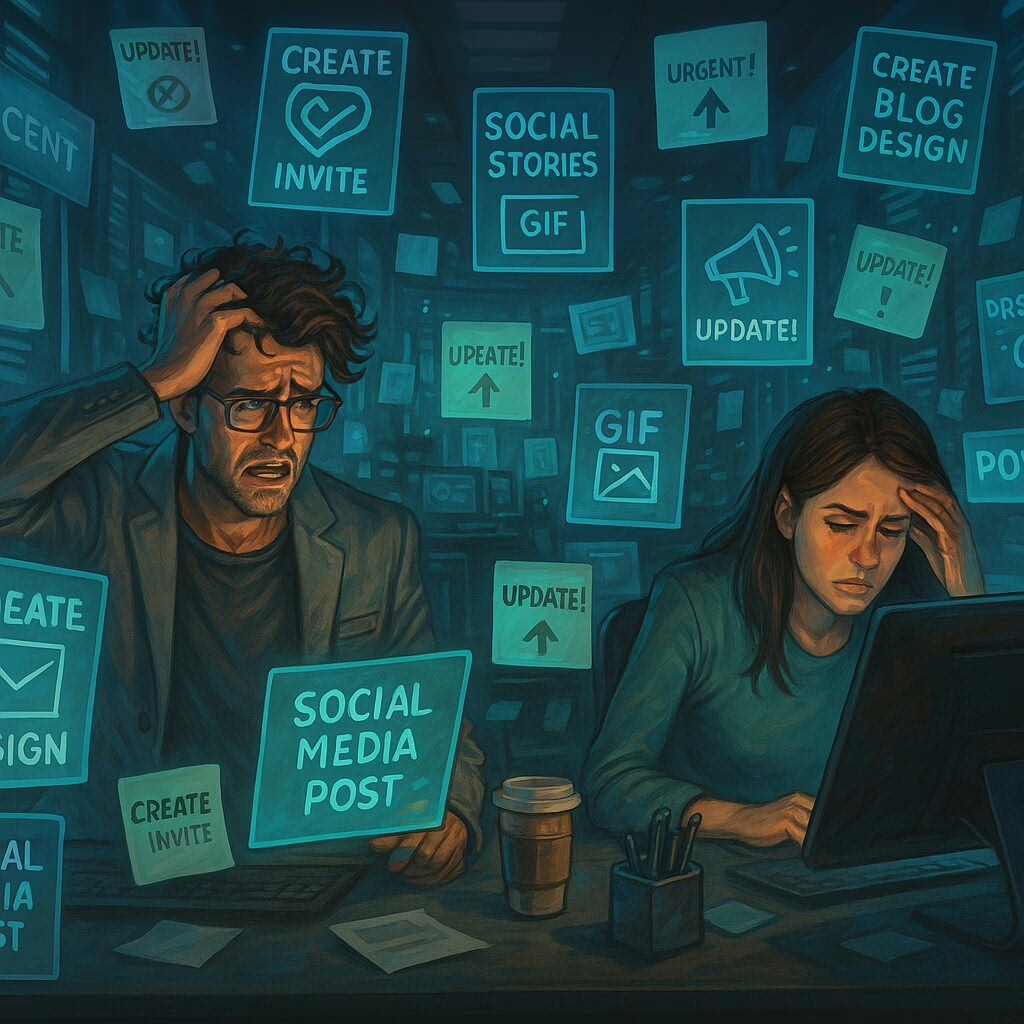
How Design Pickle solves the “Creative Bottleneck” Problems?
Design Pickle primarily solves the “Creative Bottleneck” problem by offering a subscription-based, on-demand creative service that provides businesses with a consistent, scalable, and cost-effective source of graphic design, custom illustrations, presentation design, and motion graphics.

This model addresses several common bottlenecks in the traditional creative process:
- Eliminates Hiring and Overhead Costs: Businesses avoid the long, expensive process of hiring full-time, in-house designers or the inconsistent results and management hassle of using multiple freelancers. This removes the resource bottleneck that stops creative work before it even starts.
- Provides Predictable Output and Capacity: The flat-rate, subscription model ensures clients have access to a dedicated designer or creative team with a predictable turnaround time (often an average of 24-hour first drafts). This solves the speed and capacity bottleneck, allowing marketing and content teams to scale their creative output without being limited by a single designer’s workload or shifting priorities.
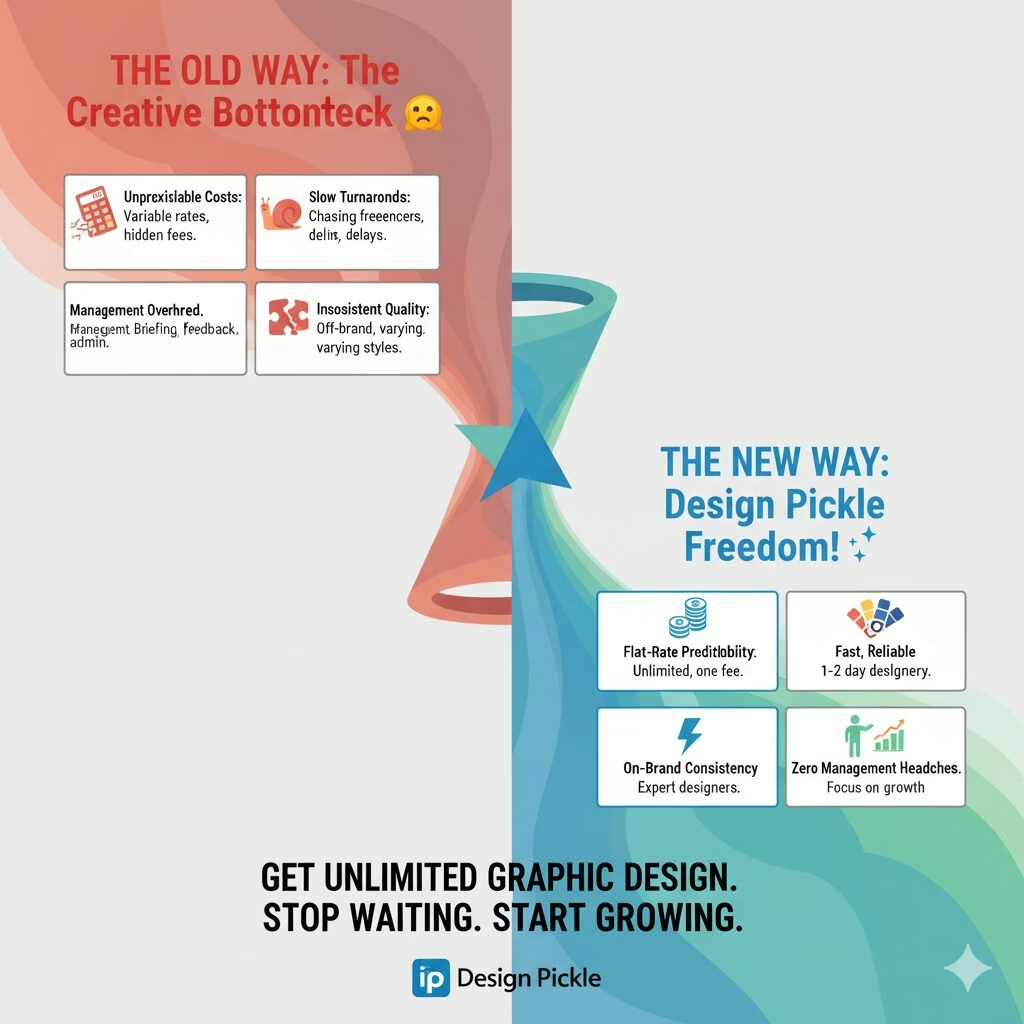
- Streamlines Workflow with a Centralized Platform: Design Pickle uses a proprietary platform to manage design requests, track progress, facilitate communication, and deliver final files. This process bottleneck solution simplifies project management, minimizes communication breakdowns, and ensures all assets are organized and easily accessible.
- Enhances Brand Consistency: By assigning a dedicated design team or designer to a client, Design Pickle fosters a deeper understanding of the client’s brand guidelines, leading to more consistent and on-brand high-quality graphics over time.
- Supports Flexible and Unlimited Requests: Clients can submit an unlimited number of design requests and revisions for a fixed monthly fee, which removes the budget and scope bottleneck associated with traditional per-project pricing, encouraging teams to experiment and produce more content.
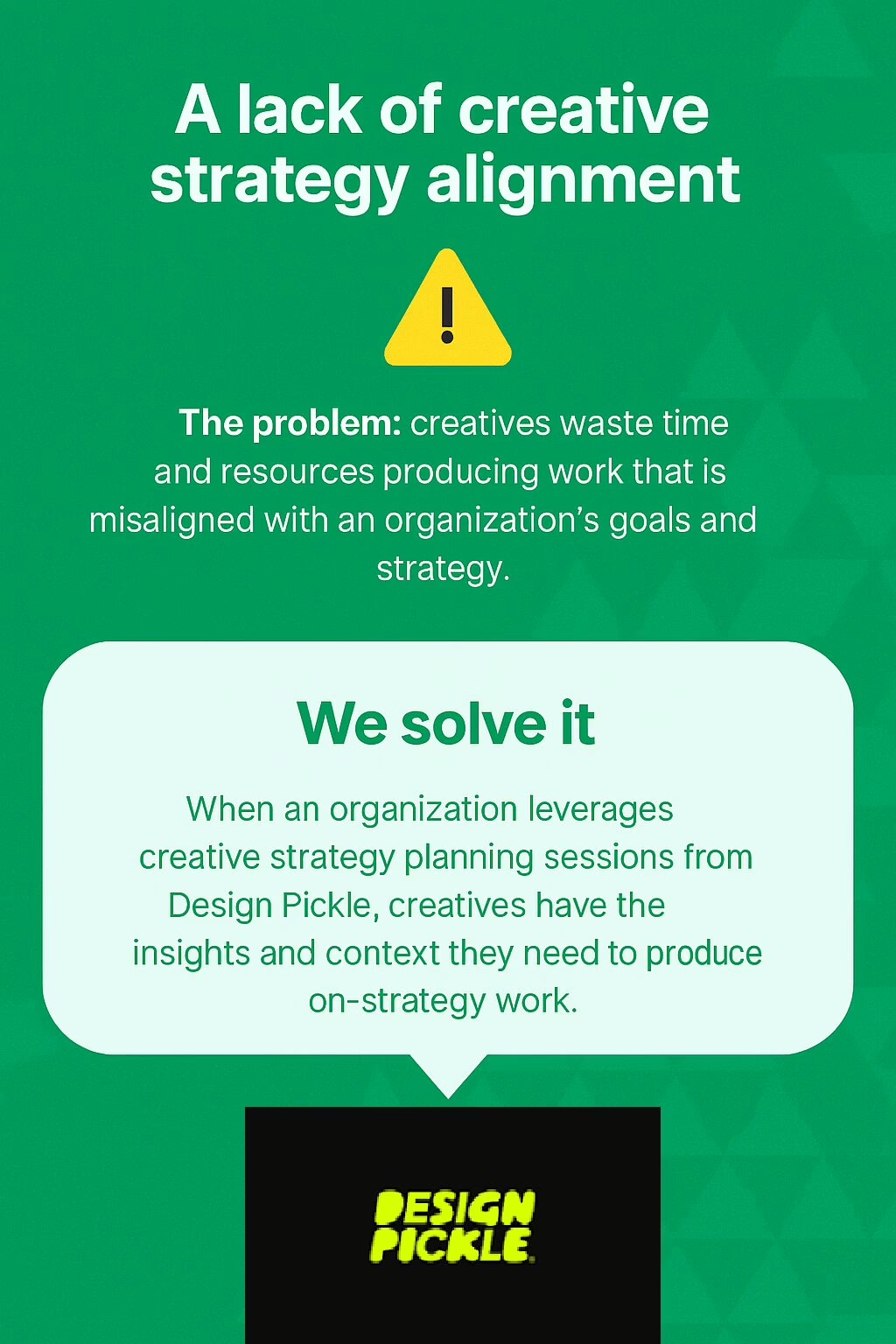
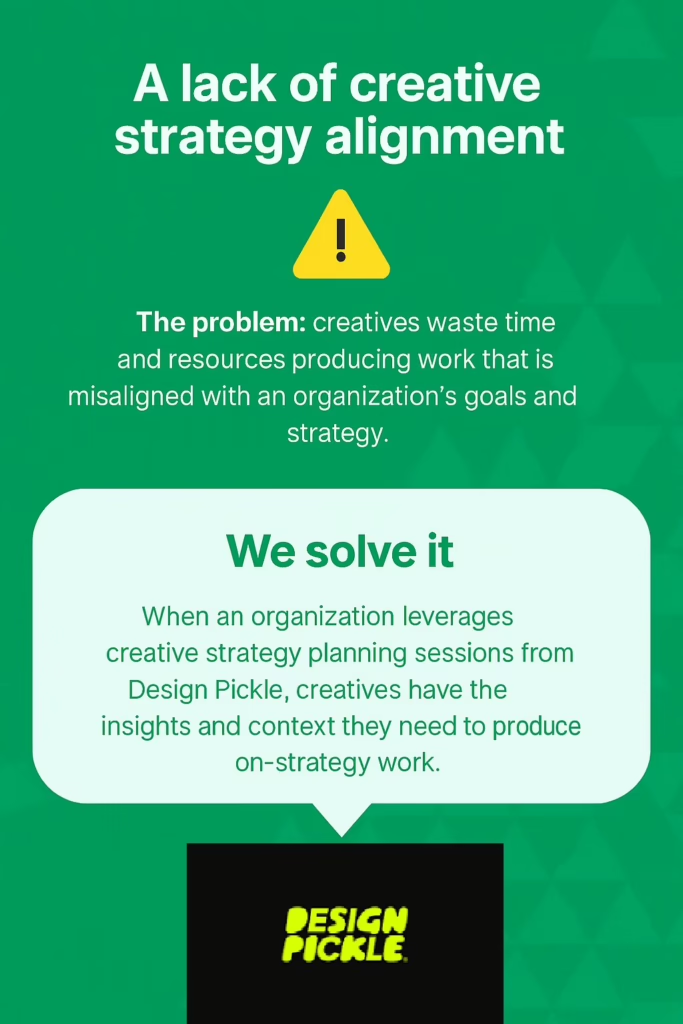
How design Pickles solves the lack of creative strategy alignment?
Design Pickle’s model is primarily focused on efficient execution of creative requests, which indirectly addresses the lack of creative strategy alignment by emphasizing consistency and streamlined communication for a business’s day-to-day design needs.
Here are the keyways Design Pickle‘s model typically works to keep creative output aligned, even though it may not offer high-level creative strategy services in the same way a full-service agency does:
- Dedicated Designer or Team (for higher tiers): Clients are often paired with a dedicated designer or a small team. This fosters consistency as the designer(s) become intimately familiar with the client’s brand guidelines, style, audience, and previous marketing efforts. This institutional knowledge minimizes off-brand work.
- Clear Briefing and Intake Process: The platform is designed for easy, clear request submission. Clients must provide detailed instructions, context, and often upload brand assets and goals. This ensures the creative team is working from the client’s predefined strategy and goals. The quality of the output is heavily dependent on the quality and clarity of the client’s brief.
- Unlimited Revisions: The unlimited revision policy allows clients to continuously provide feedback until the design perfectly aligns with their marketing strategy and brand vision, effectively enforcing alignment through the iterative feedback loop.
- Focus on Execution Speed (Daily Output): By offering quick turnarounds (often 1-2 business days for a first draft), Design Pickle allows marketing teams to rapidly test and iterate creative assets, keeping pace with fast-moving campaigns and ensuring creative work is available when the strategy demands it.
2. Centralized Platform: The request and collaboration platform centralizes communication, feedback, and file management, making it easier for the client to maintain oversight and ensure all assets adhere to the current campaign strategy.
In essence, Design Pickle’s solution is less about creating the strategy and more about being a reliable, consistent, and fast execution engine that follows the strategy the client provides. It solves the lack of alignment by eliminating common pitfalls like using inconsistent freelance talent, slow agency turnaround, or lack of brand understanding that often derails a consistent creative strategy.
Leave a Reply